August, 30 2026.
Pittsburgh, Pennsylvania.
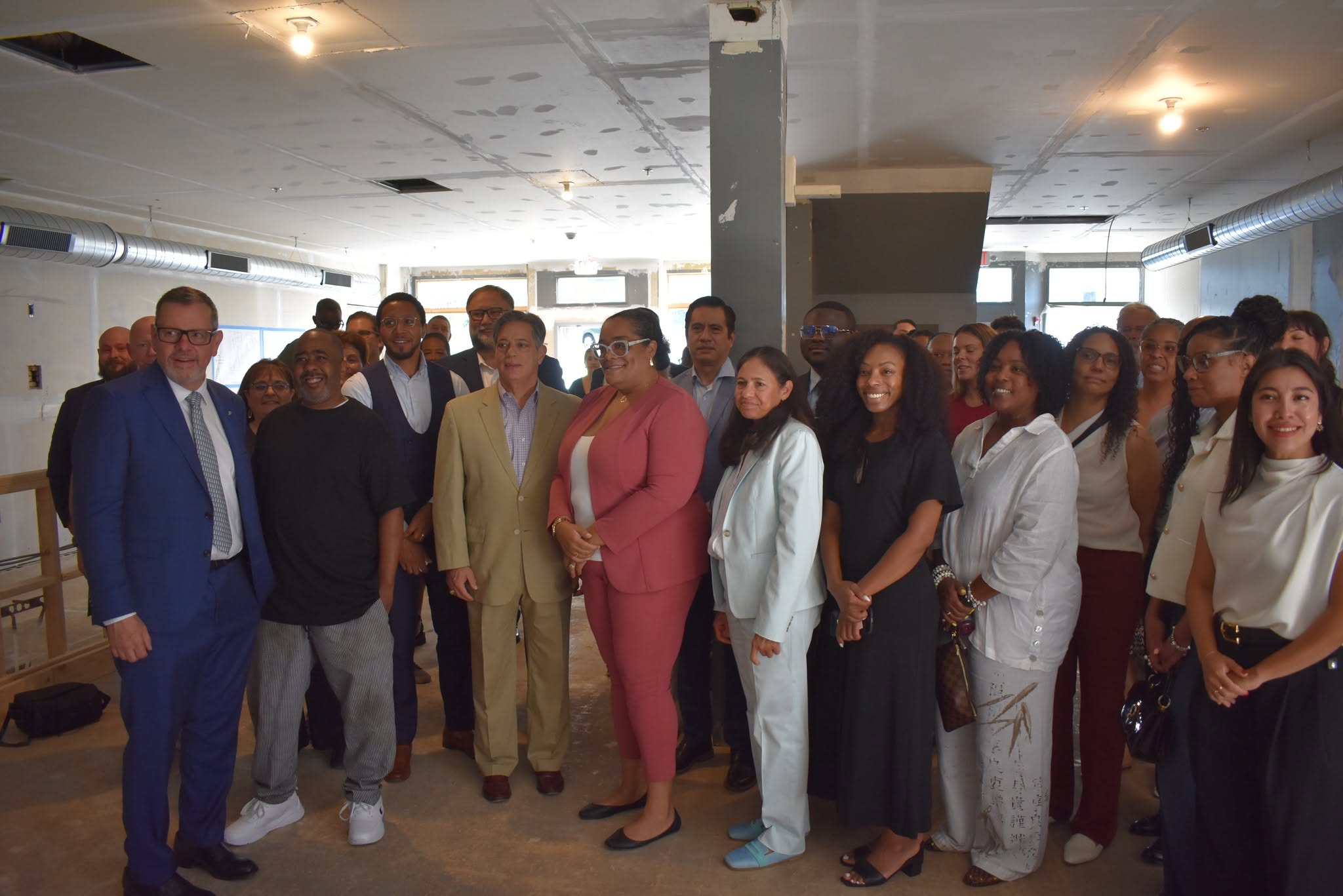
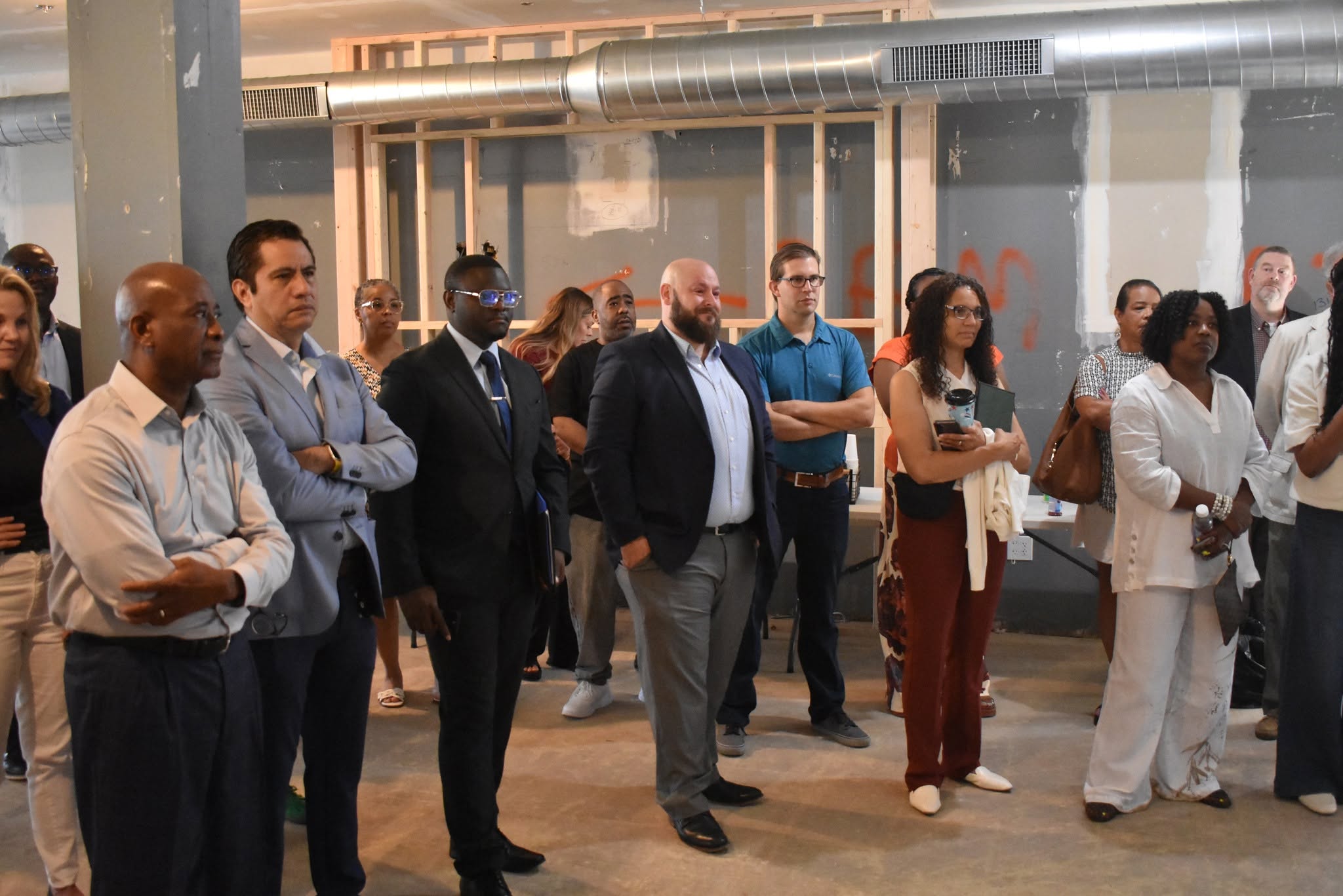
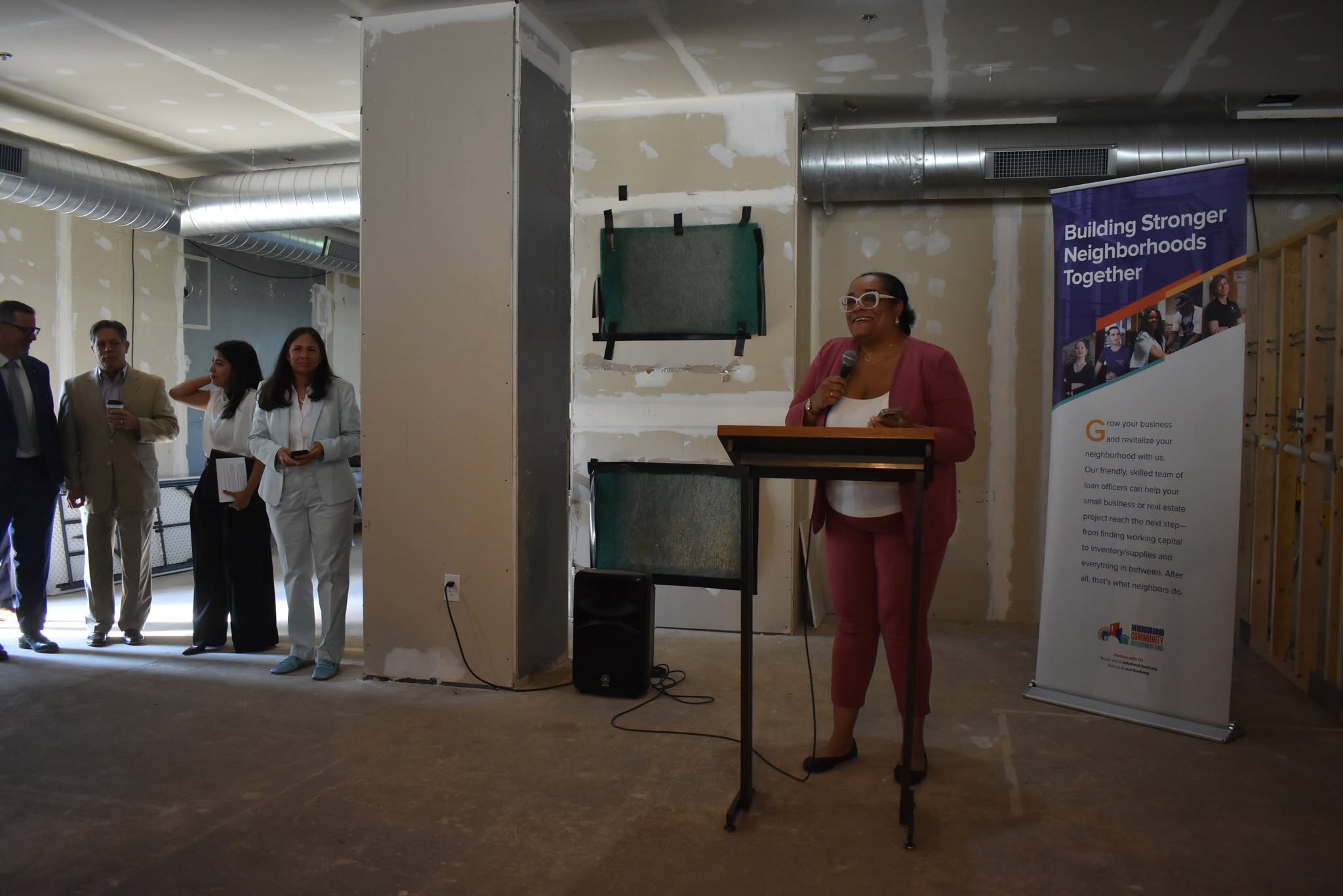
This week, I had the honor of representing the Duquesne University Small Business Development Center (SBDC) at an event highlighting Pennsylvania’s Business Assistance Service Centers (BASC) & Microgrants Programs. It was an opportunity to step outside the day-to-day work of consulting with entrepreneurs and spend time with many of the people and organizations working to strengthen the broader entrepreneurial ecosystem across Pennsylvania.
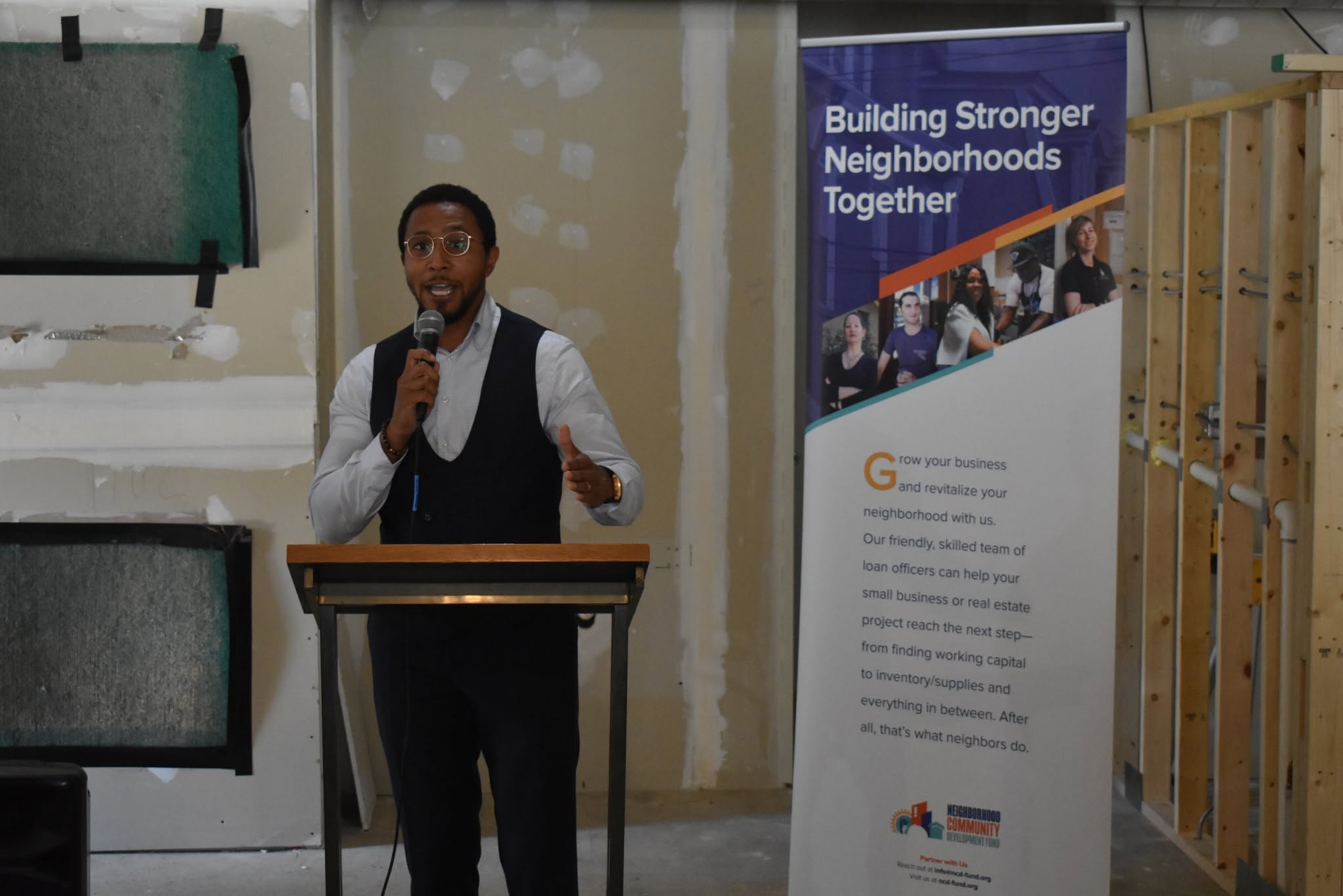
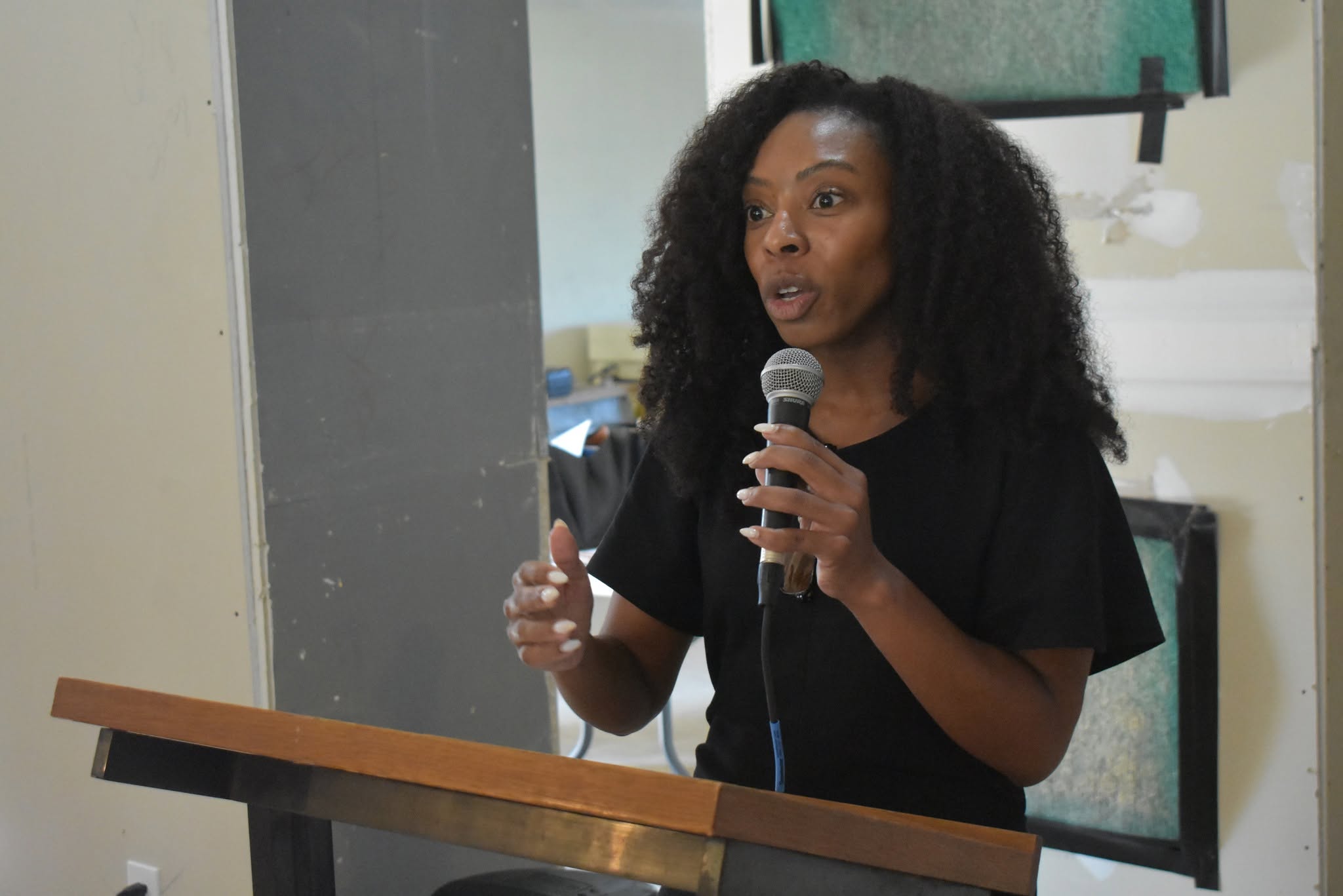
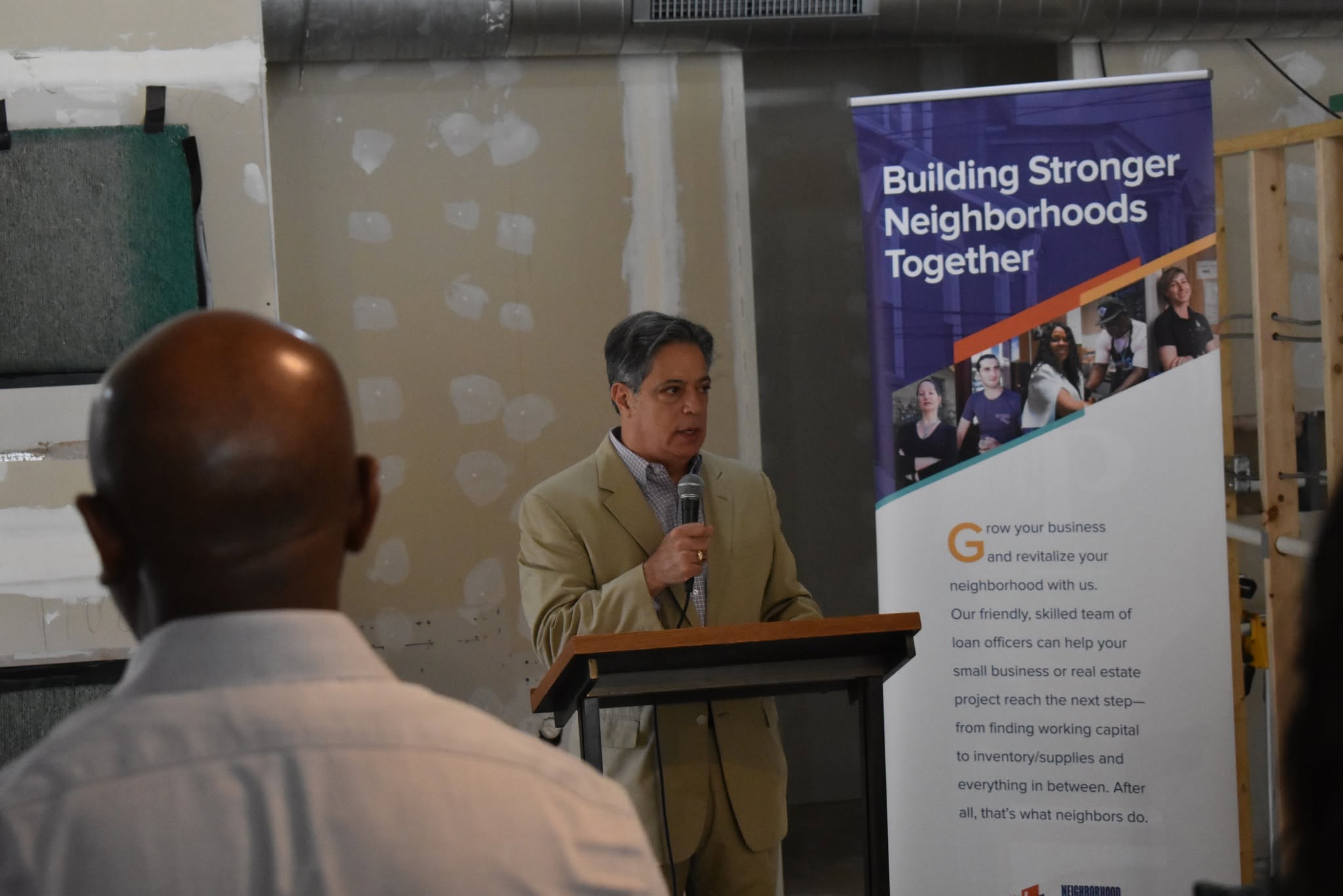
The gathering brought together public officials, business leaders, entrepreneurs, business assistance professionals, and community partners. We had the opportunity to hear from Pennsylvania State Senator Jay Costa, State Representatives Lindsay Powell and Aerion Abney, Pennsylvania CDFI Network CEO Varsovia Fernandez, as well as business and community leaders and entrepreneurs who shared their own experiences and perspectives.
A major part of the conversation centered on the BASC & Microgrants Programs and the resources being made available to entrepreneurs across Pennsylvania. The initiative is connected to the Commonwealth’s broader Historically Disadvantaged Business Assistance (HDBA) Program, delivered through the Pennsylvania CDFI Network in partnership with the Pennsylvania Department of Community and Economic Development (DCED).
What interested me most was not simply the availability of funding, but the larger infrastructure being built around entrepreneurs.
In my work at the Duquesne University SBDC, I spend a great deal of time working directly with entrepreneurs as they evaluate opportunities, work through challenges, make financial and strategic decisions, and determine what sustainable growth looks like for their businesses. That experience continually reminds me that capital and opportunity are strongest when entrepreneurs also have access to sound technical assistance and people who can help them think through important business decisions.
This is where partnership becomes particularly important.
CDFIs, SBDCs, universities, government agencies, financial institutions, and community organizations may serve entrepreneurs in different ways, but those roles often intersect. One organization may provide access to capital. Another may provide technical expertise. Others may create connections, programs, training, or opportunities that entrepreneurs otherwise might not encounter.
When those pieces connect effectively, we create a stronger environment in which entrepreneurs can build.
I also appreciated the opportunity to speak with colleagues and partners outside of our normal meetings and day-to-day responsibilities. Events like this provide space not only to learn about programs, but also to exchange perspectives and better understand the work taking place across Pennsylvania.
For me, representing the Duquesne University SBDC was especially meaningful. The work we do with entrepreneurs often happens one conversation, one business decision, and one challenge at a time. Being in a room with others contributing to that same broader mission offered a reminder of how those individual efforts fit into Pennsylvania’s larger economic development landscape.
I left the event with an even greater appreciation for the role that collaboration plays in entrepreneurship and economic development. Strong entrepreneurial ecosystems are not created by a single organization or program. They are built through relationships between institutions, professionals, communities, and, most importantly, the entrepreneurs doing the work of building businesses.
I was grateful to be part of the gathering, to represent our Center, and to continue contributing to that work.
Jeromy Lamya
Business Consultant | Analytics | Entrepreneurship & Economic Development


Leave a Reply